
What Are OEM Industrial Components? A Guide for Machinery Buyers
OEM industrial components are essential parts that original equipment manufacturers use to build, assemble, maintain, or customize industrial machinery. Manufacturers may produce these components based on engineering drawings, technical specifications, physical samples, or specific equipment requirements.
For machinery buyers, choosing the right OEM industrial components manufacturer can influence equipment compatibility, production efficiency, maintenance costs, and long-term supply reliability.
As industrial equipment becomes more specialized, standard catalog parts do not always meet every application requirement. Custom manufacturing provides an alternative by allowing buyers to specify dimensions, materials, connection types, tolerances, and other critical features.
In this guide, we explain what OEM industrial components are, how OEM manufacturing works, what buyers should evaluate when selecting a supplier, and how to source custom components directly from a Chinese manufacturer.
What Are OEM Industrial Components?
OEM stands for Original Equipment Manufacturer. In industrial manufacturing, OEM industrial components are parts manufactured for use in equipment, machinery, systems, or assemblies produced by an equipment manufacturer.
Depending on the project, these components can be standard parts supplied under an OEM arrangement or custom-made products manufactured to meet specific technical requirements.
Common examples include:
- Custom CNC-machined parts and metal components
- Hydraulic fittings, adapters, and connectors
- Stainless steel flexible metal hose assemblies
- Rotary unions and fluid transfer components
- Metal expansion joints and bellows assemblies
- Flanges, sleeves, couplings, and replacement parts
OEM components are used across industrial machinery, hydraulic systems, chemical processing equipment, energy facilities, automation systems, and other applications.
The defining feature of a custom OEM component is that its design and manufacturing requirements are established around the intended equipment and application.
OEM Components vs. Standard Industrial Parts
Standard industrial parts are typically manufactured according to established dimensions or industry specifications. They are often suitable when the application matches the available product range.
OEM industrial components offer greater flexibility when a machine requires a specific configuration.
For example, a machinery manufacturer may need a metal hose assembly with a particular overall length, stainless steel grade, end connection, and operating pressure. A standard product may not meet all these requirements, making a customized OEM solution more appropriate.
The main differences include:
Standard industrial parts
- Available in predefined configurations
- Suitable for common equipment interfaces
- Usually require fewer design discussions
- May be easier to source for routine replacement
Custom OEM industrial components
- Manufactured according to confirmed drawings or specifications
- Can accommodate non-standard dimensions and connections
- May require engineering review and sample approval
- Can support prototypes, small batches, and repeat production, depending on the manufacturer and project
Neither option is automatically better. Buyers should compare technical compatibility, total cost, delivery requirements, and long-term availability before deciding.
What Types of OEM Industrial Components Can Be Customized?
The right component depends on the machine design, operating conditions, and connection requirements.
1. Custom Machined Components
Machined components may include shafts, sleeves, bushings, housings, couplings, flanges, and threaded fittings.
Buyers can specify materials, critical dimensions, tolerances, thread standards, surface finishes, and other drawing requirements.
For repeat orders, an approved engineering drawing provides a reference for production and inspection.
2. Hydraulic Components and Connections
Hydraulic systems depend on compatible fittings, adapters, connectors, and other fluid connection components.
Important selection criteria include thread type, port geometry, working pressure, material compatibility, sealing arrangement, and installation space.
A connection that looks similar to the original part may still be incompatible. Buyers should confirm the actual thread standard, sealing method, and relevant dimensions before ordering.
3. Flexible Metal Hose Assemblies
Metal hose assemblies are used in industrial piping and equipment connections where flexibility, vibration absorption, or accommodation of movement is required.
Depending on the application, customization may include:
- Corrugated stainless steel hose
- Single or double stainless steel braid
- Stainless steel grades such as 304, 316L, or 321, where suitable
- Hose diameter and assembly length
- BSP, NPT, or metric threaded connections
- Flanges, weld ends, and custom fittings
The correct configuration depends on working pressure, temperature, conveyed media, movement, and installation conditions. Buyers should confirm these parameters with the manufacturer before specifying an assembly.
4. Rotary Unions and Fluid Transfer Components
Rotary unions transfer fluids between stationary and rotating equipment. They may be used in machinery involving rotating drums, rollers, spindles, or other rotating assemblies.
Selection requires attention to the medium, pressure, rotational speed, temperature, connection dimensions, and sealing requirements.
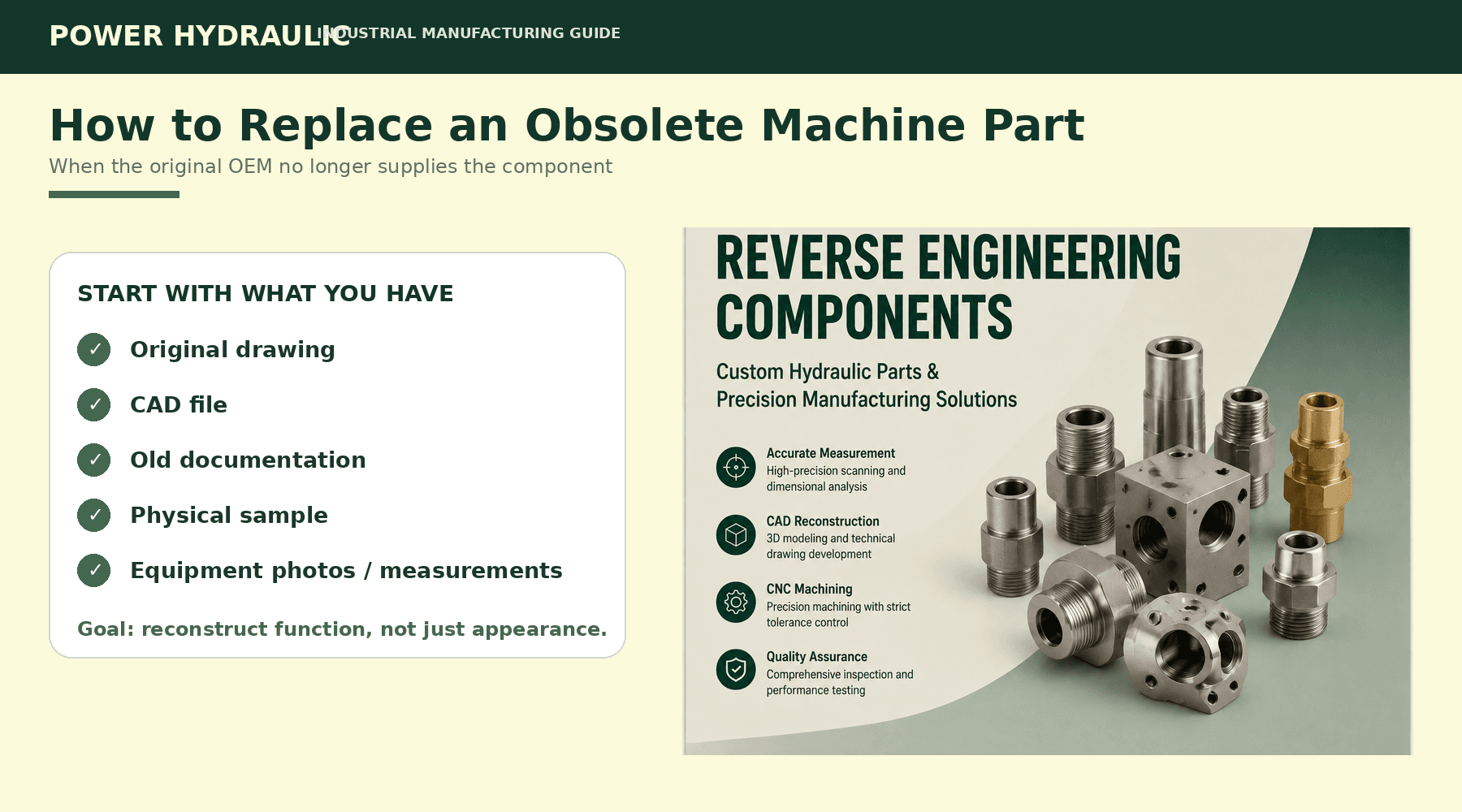
For replacement projects, the original model number, drawings, photographs, and operating information can help the supplier assess compatibility.
5. Metal Expansion Joints
Metal expansion joints accommodate specified thermal movement and other movement in piping systems.
Key design considerations include pipe size, pressure, temperature, axial or lateral movement, angular displacement, material, and end connections.
Because these assemblies must suit the actual piping system, buyers should provide the relevant operating conditions rather than requesting a quotation based on pipe diameter alone.
How Does OEM Manufacturing Work?
A well-defined manufacturing process helps reduce misunderstandings and makes repeat orders easier to manage.
Step 1: Submit Drawings or Samples
Buyers can provide STEP, DWG, DXF, IGES, or PDF files, where available. For replacement projects, a physical sample, dimensional sketch, or clear product photographs may also be useful.
Step 2: Confirm Technical Requirements
The buyer and manufacturer should clarify materials, tolerances, threads, surface treatment, operating conditions, and any applicable standards.
For pressure-bearing or moving components, functional requirements are particularly important.
Step 3: Review Manufacturing Feasibility
The manufacturer evaluates whether the component can be produced using suitable manufacturing processes.
Potential issues include difficult-to-machine features, tight tolerances, connection compatibility, welding requirements, and material availability.
Step 4: Confirm the Drawing and Quotation
Before production, both parties should confirm the final drawing, quantity, unit price, lead time, inspection requirements, packaging, and delivery terms.
Any changes to the specification should be documented.
Step 5: Produce and Inspect the Components
Production methods vary by component. They may include machining, forming, welding, assembly, and finishing.
Inspection should focus on the characteristics that affect fit, function, and compliance with the agreed specification.
Depending on the project, buyers may request dimensional inspection reports, material documentation, or pressure test records.
Step 6: Approve Samples and Arrange Repeat Orders
For new designs, prototype or sample approval can help verify critical dimensions and equipment interfaces before larger production runs.
Once the specifications are approved, the manufacturer can quote repeat orders against the agreed requirements.
How to Choose an OEM Industrial Components Manufacturer in China
China offers a broad industrial manufacturing supply chain, but supplier selection should be based on verifiable capabilities rather than price alone.
1. Verify the Manufacturer’s Actual Capabilities
Ask whether the supplier manufactures the required component directly, works with qualified manufacturing partners, or provides a combination of both.
Request relevant production photographs, equipment information, sample parts, and an explanation of the manufacturing process.
A supplier should be transparent about which operations it performs in-house and which are outsourced.
2. Evaluate Engineering Communication
A capable supplier should ask relevant questions about drawings, materials, tolerances, connections, and operating conditions.
If a component will handle pressure, temperature changes, corrosive media, or continuous movement, the quotation process should address those factors.
Clear technical communication before production can prevent expensive problems later.
3. Check Quality Control and Documentation
Ask how the manufacturer verifies critical dimensions and product requirements.
Depending on the component, useful documentation may include:
- Material certificates
- Dimensional inspection reports
- Pressure test reports
- Welding or finishing records, where applicable
- Agreed product specifications and inspection criteria
Do not assume that every supplier holds a particular certification or provides every type of test report. Confirm the actual documents available for your project.
4. Compare Total Procurement Cost
The lowest unit price does not always represent the lowest overall cost.
Consider tooling, sampling, inspection, packaging, international freight, import duties, potential rework, and expected order frequency.
For repeat OEM orders, dimensional consistency and dependable communication can be as important as the initial quotation.
5. Confirm Lead Time and Repeatability
Ask for separate estimates for sample development and production orders.
For recurring purchases, confirm drawing revision control, material specifications, packaging requirements, and the process for handling changes.
These details help procurement teams maintain consistency as order volumes increase.
What Information Should Buyers Provide for an OEM Quotation?
A complete inquiry helps a manufacturer evaluate feasibility and prepare a more accurate quotation.
| Information | Why It Matters |
|---|---|
| Engineering drawing or sample | Establishes the component geometry |
| Material and grade | Determines suitability and manufacturing requirements |
| Dimensions and tolerances | Defines fit and dimensional acceptance |
| Thread and connection standards | Helps ensure correct equipment compatibility |
| Pressure and temperature | Supports functional and material evaluation |
| Working medium | Helps assess material and sealing compatibility |
| Quantity | Influences production planning and unit cost |
| Inspection requirements | Defines the necessary verification and documentation |
| Delivery destination and terms | Helps establish the export quotation |
If a complete drawing is unavailable, provide the information you have. The supplier can identify missing details that must be confirmed before production.
Why Work With Tianjin Keypower Hydraulic Company Limited?
Tianjin Keypower Hydraulic Company Limited is a China-based manufacturer and supplier specializing in hydraulic metal hoses and industrial fluid connection solutions. The company was founded in 2017 and supports customized industrial products for global customers.
Our product and custom manufacturing scope includes metal hose assemblies, rotary unions, metal expansion joints, hydraulic connections, and selected OEM industrial components.
For custom projects, we can review customer drawings, technical specifications, and available samples to assess manufacturing requirements.
Our approach focuses on several practical priorities:
- Application-based customization: Evaluate dimensions, materials, connections, and operating conditions.
- Technical communication: Clarify critical specifications before production.
- Quality verification: Confirm inspection and documentation requirements according to the agreed project scope.
- Flexible sourcing: Evaluate suitable projects involving custom components, replacement parts, and industrial assemblies.
- International supply: Discuss quantities, packaging, lead times, and shipping requirements for overseas orders.
We recommend that buyers confirm the manufacturing route, available inspection records, and project-specific capabilities before placing an order. This helps establish clear expectations and supports a more reliable supplier relationship.
To learn more about our capabilities, visit our OEM Industrial Components page or explore our custom manufacturing services.
Frequently Asked Questions
What is the difference between OEM and ODM manufacturing?
OEM manufacturing generally refers to producing components or products according to a customer’s design or defined requirements. ODM typically involves a supplier providing a product design that a customer can adopt or customize. The exact commercial meaning can vary by industry and contract.
Can a Chinese manufacturer produce OEM parts from drawings?
Yes. Many Chinese manufacturers support drawing-based production. Before ordering, confirm drawing interpretation, materials, tolerances, inspection methods, and whether the required processes are performed in-house or by qualified partners.
Can OEM industrial components be manufactured from samples?
For suitable components, an existing sample can serve as a dimensional reference. However, a sample does not necessarily reveal the original material grade, internal construction, heat treatment, or operating limits. Additional engineering information may be necessary.
Is OEM manufacturing suitable for small quantities?
Some manufacturers accept prototypes and small batches, while others focus on larger production volumes. Minimum order quantities depend on the component, materials, tooling, and manufacturing process. Confirm these conditions before requesting a quotation.
How can buyers ensure the quality of OEM components?
Start with a clear specification and agreed acceptance criteria. Identify critical dimensions, material requirements, functional tests, and documentation needs before production. For important applications, consider sample approval and incoming inspection.
What should I send to request a quotation?
Provide a drawing or sample, material requirements, quantity, critical dimensions, operating conditions, connection details, delivery destination, and any required inspection documents. The more complete the technical information, the easier it is to evaluate the project accurately.
Request a Quote for OEM Industrial Components
Looking for a manufacturing partner for custom industrial components, hydraulic connections, metal hose assemblies, rotary unions, or metal expansion joints?
Tianjin Keypower Hydraulic Company Limited welcomes inquiries from machinery manufacturers, industrial distributors, engineering companies, and maintenance teams.
Send us your drawings, samples, specifications, and estimated quantity. Our team can review your requirements and discuss a suitable manufacturing solution for your application.
Contact us through power-hydraulic.com to discuss your OEM industrial components project.